
The Interdependency Quotient: Measuring the Holistic Success
The true measure of contemporary residential security isn’t the quality of the camera or the frequency of management patrols; it is the dynamic equilibrium achieved when technology, management, and residents work in concert. Fail at any one pillar, and the system weakens noticeably.
The Deterrent Effect of Visibility
We already noted that homes lacking security are 300% more likely to be targeted. This isn’t magic; it’s simple calculation on the part of the opportunistic criminal. When a potential intruder assesses a target, they are looking for the path of least resistance. A visible array of smart cameras, a clear digital visitor log that management actively reviews, and the general air of residents who look like they know their environment—this combination creates an overwhelming deterrent.. Find out more about Integrated residential security strategy.
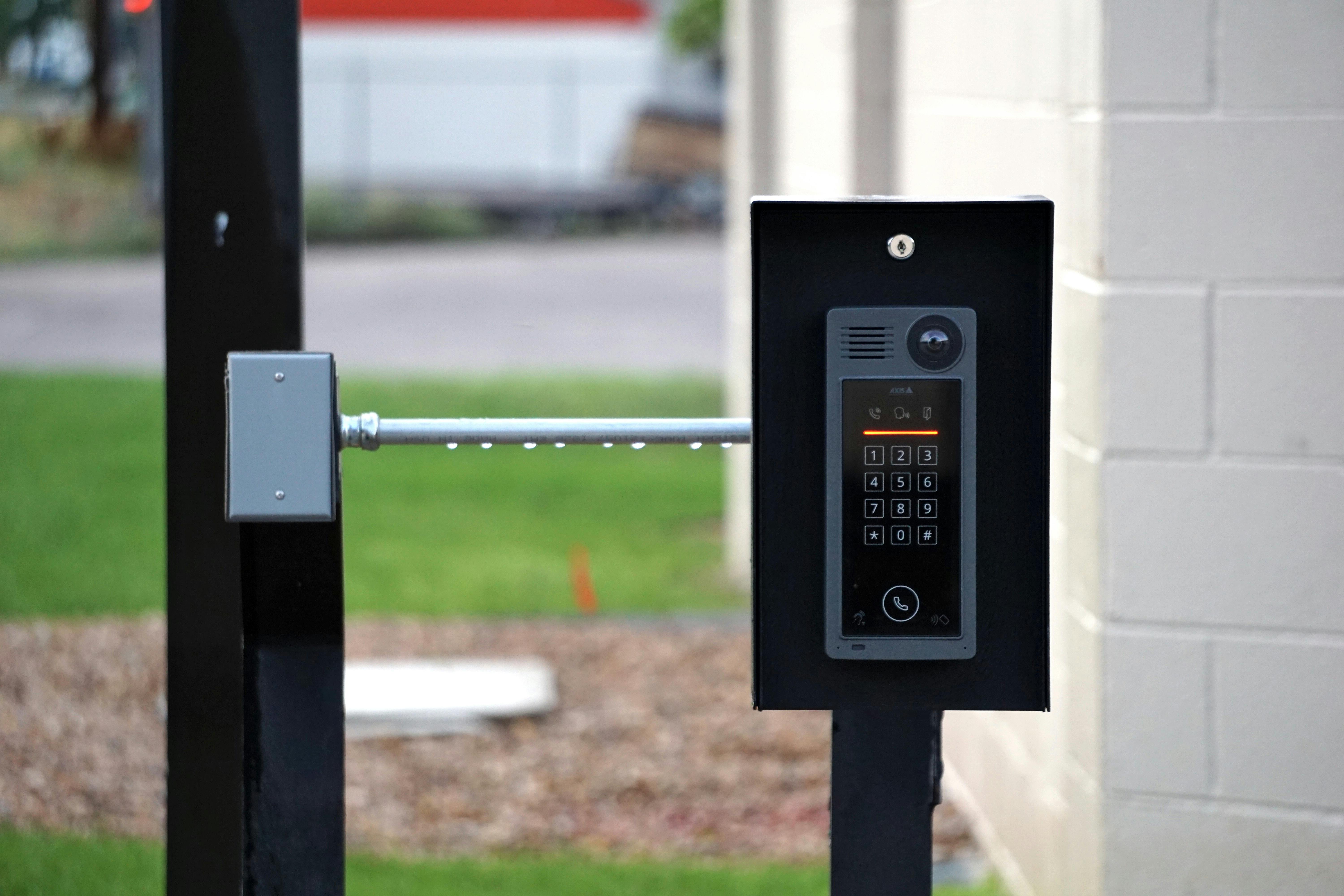
A well-managed property leverages its technology to broadcast its commitment to safety. For example, displaying signage that clearly states, “Premises monitored 24/7 via AI-Enhanced Surveillance” tells an intruder that they are not just risking tripping a passive alarm; they are risking immediate, intelligent identification. The data from convicted burglars supports this: 60% admit they move on to an easier target when they spot a security system.
Real-World Example: Access Protocol Enforcement
In one large urban rental portfolio, management deployed high-definition cameras at every service entry and began sending quarterly compliance reports to all residents detailing how many unauthorized access events were logged and then blocked by the system. The combination of visible, high-quality tech (the security pillar) and management’s visible enforcement of the rules (the management pillar) coincided with a 12% drop in attempted unauthorized entries reported by the system in the subsequent quarter. The residents, seeing the data on system efficacy, also became more diligent about challenging unknown solicitors (the community pillar).
Beyond Burglary: Environmental Security Synthesis. Find out more about AI enhanced surveillance for apartment buildings guide.
The holistic model acknowledges that a sanctuary must be protected from more than just human intrusion. Environmental hazards, particularly fire, are devastatingly common and underscore the need for interconnected, data-driven safety.
Consider this sobering context: a fire department responds to a fire in the U.S. every 21 seconds, and a home-structure fire every 88 seconds. More chillingly, a home fire injury occurs every 53 minutes. Smoke alarms are vital, with data showing that 59% of fire deaths occur in homes without functioning alarms.
The synthesized approach integrates the safety data stream. A smart fire alarm system, connected to the unified cloud platform, doesn’t just blare locally. It instantly alerts management, the fire department (via automated dispatch protocols), and all residents via their personal devices, regardless of whether they are home or asleep. This moves fire safety out of the realm of a simple battery-operated box into a dynamic, multi-point notification system. This is where the interdependence is most clearly seen: the technology provides the alert, management validates and escalates the response, and residents evacuate based on the immediate, coordinated notification.. Find out more about Unified cloud platforms for property security tips.
To further explore the vital role of interconnected systems in managing property risks, investigate the principles of integrated risk management strategies.
Conclusion: Synthesis for Enduring Residential Security
The successful security strategy for residential properties in this advanced era is a complex, multi-faceted achievement synthesized from three distinct, yet interdependent, pillars: cutting-edge technology, diligent management execution, and an engaged resident community. The digital revolution has moved security from a passive function to an active, data-driven science, powered by unified cloud platforms, intelligent access methods, and AI-enhanced surveillance that offers proactive threat detection. Property management must rise to this occasion by establishing rigorous protocols for visitor tracking, maintaining constant vigilance through scheduled audits, and efficiently governing the vast datasets produced. Finally, the system is only as strong as its most human link; residents must actively participate through responsible personal security practices, a culture of situational awareness, and adherence to community-wide digital hygiene. The continuous evolution of technology demands an equally continuous evolution in management philosophy and resident engagement, creating a dynamic and layered defense that secures the modern dwelling as a true sanctuary in an increasingly complex world. This integrated, holistic approach is the definitive standard for residential security moving forward. The data from 2025 confirms that security isn’t a final state; it is a continuous, collaborative process.
Key Takeaways for a Secure Sanctuary (Current as of November 2025). Find out more about Rigorous protocols for visitor tracking management strategies.
- Technology is Proactive: Modern security, buoyed by AI adoption in property management, focuses on identifying threats before they materialize, moving beyond simple recording.
- Management is Data Custodian: Diligent execution requires rigorous protocols for governing and acting upon the large datasets generated by smart systems.
- Deterrence is Quantifiable: Homes without security measures are significantly more likely to be targeted, proving that investment yields a measurable return in risk reduction.
- Residents are the Firewall: A security culture—where situational awareness and digital hygiene are normalized—is the crucial human layer that prevents the exploitation of technological gaps.. Find out more about Integrated residential security strategy technology.
- Interdependence is Non-Negotiable: A failure in one pillar (e.g., management ignoring audit logs) negates the investment in the others (e.g., having the best cameras).
Actionable Insights for Immediate Application
- Conduct a “Silo Audit”: Immediately review all security, access control, and environmental monitoring systems. Can they share data on a unified platform? If not, plan for migration toward interoperable systems.. Find out more about AI enhanced surveillance for apartment buildings technology guide.
- Mandate Monthly Digital Hygiene Reports: Management should issue a simple, concise bulletin (via email or community app) detailing security system updates, reminding residents of strong password requirements, and highlighting a recent, non-specific positive security metric (e.g., “Last month, our access control system blocked 41 unauthorized entry attempts”).
- Institute a 15-Minute Rule for Follow-Up: Any security alert flagged by AI that is not immediately addressed by management personnel must have a documented secondary action taken within fifteen minutes, such as contacting an on-site manager or escalating to a secondary monitoring service.
- Host a “Safe Home Tech Day”: Instead of a dry meeting, host an interactive session demonstrating the *benefits* of the technology—show residents how their video doorbell notifies them, rather than just telling them to install one. This boosts community buy-in.
- Verify Emergency Linkages: As fire and safety data indicates, rapid response is key. Verify that all integrated safety sensors (smoke, water) are linked directly to a 24/7 monitoring service or management roster that can dispatch or alert authorities instantly.
The modern home is a nexus of digital convenience and physical protection. Securing it demands a strategy that is as dynamic and intelligent as the world outside its walls. This three-pillar synthesis—Technology, Management, and Community—is not just a recommendation for the future; it is the mandatory blueprint for safety today, November 25, 2025.
Engage the Dialogue
What is the single biggest challenge your community faces right now in balancing resident privacy with the need for robust, AI-driven security oversight? Share your experience in the comments below—because the discussion itself is the beginning of a stronger defense.