
Price Point Paradoxes: Analyzing Rental Valuation in Nampa
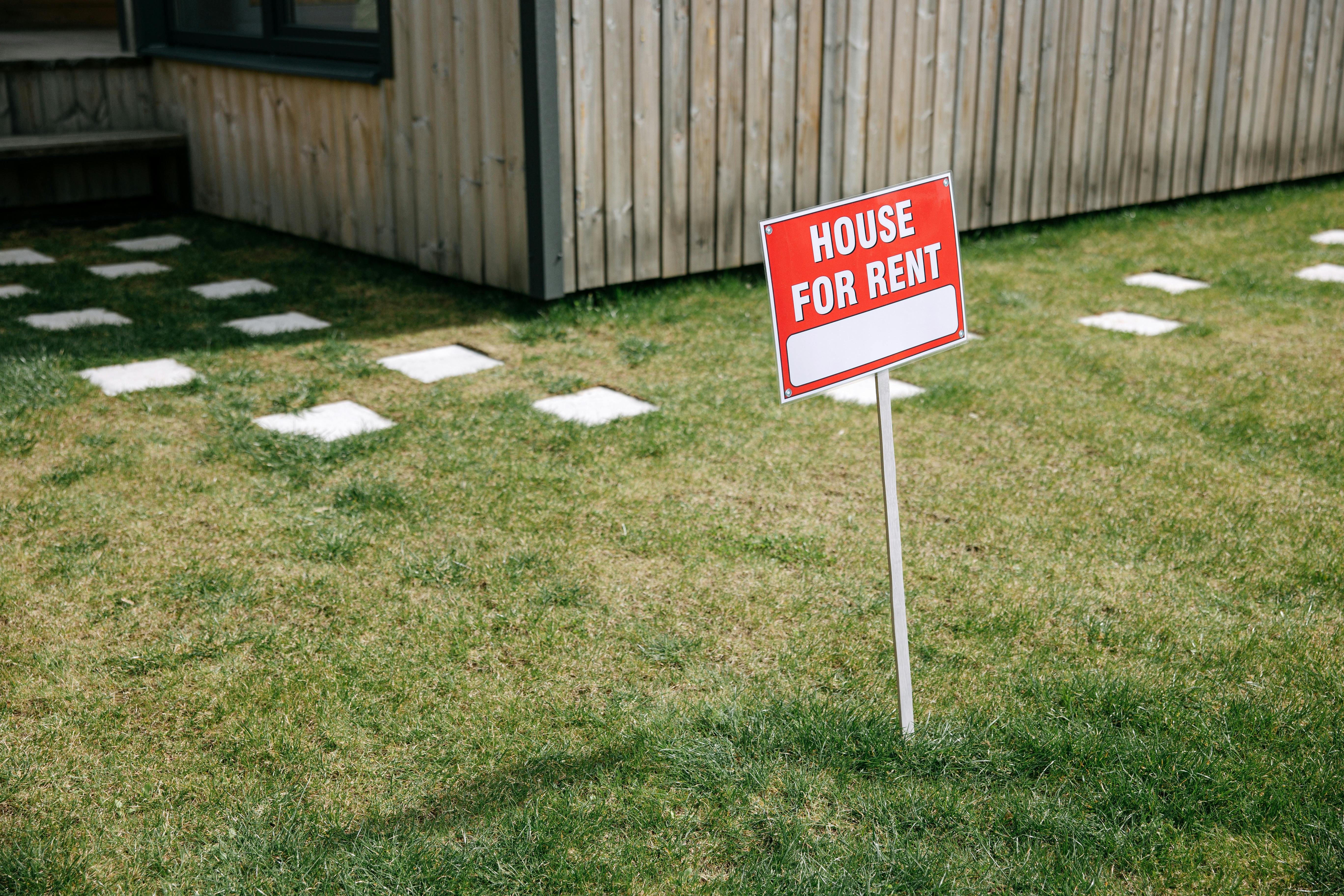
The perceived value of housing in Nampa in Two Thousand Twenty-Five is deeply complex, evidenced by the diverse pricing strategies applied to properties like the Sheridan Avenue home. The current market data shows that while the median Nampa rent hovers around figures that fluctuate depending on the reporting source—with apartment averages settling near $1,500 to $1,700 per month as of early 2026—this specific home exhibits a range of listing values that require deep analysis of tenant motivation and utility inclusion.
The Stratification of Rental Tiers: When Does Value Become a Barrier
The reported monthly rental prices for this single-family home, located at 1207 E Sheridan Ave, Nampa, ID 83686, have appeared in several iterations. This specific 4-bedroom, 2-bath property, built in 1945, has been listed on platforms with a unified monthly ask in the high Two Thousand Dollar range—for example, Two Thousand Eight Hundred Dollars on some portals. This figure stands in contrast to the broader Nampa market metrics; for instance, Realtor.com reported a median sale price for a Nampa rental unit at $2,300 per month in December 2025. This variance suggests that the ultimate rental success depends heavily on the landlord’s strategy regarding lease terms, such as whether utilities are bundled or separately metered. Market reports from earlier in the year indicated that properties listed at the upper end of the local market, potentially exceeding the general market average, might begin to see longer market times unless specific incentives are offered. The fact that a four-bedroom property is commanding such high figures, even if inconsistent across listing services, reinforces the overall upward trajectory of rental costs in Canyon County, underscored by a striking 24.32% year-over-year rent growth recorded in late 2025.
The Influence of Student Housing Models on Average Market Metrics
A critical element differentiating the valuation of this specific property is its explicit appeal to the student demographic near Northwest Nazarene University (NNU). Listings catering to this segment often structure pricing on a per-room basis, sometimes including all utilities in that flat rate. The advertised options for this 1,520 square foot home—Nine Hundred Twenty-Five Dollars per room for three occupants, or Eight Hundred Dollars per room for four occupants—represent a calculated strategy to maximize revenue from a space by dividing it into smaller, individually marketable units. When one calculates the total potential monthly revenue based on the lower end of this model (Four occupants at Eight Hundred Dollars each totals Three Thousand Two Hundred Dollars), it suggests the property’s potential gross revenue significantly exceeds the traditional single-family rent ask, highlighting a distinct, high-yield niche within the Nampa rental ecosystem that inherently skews perceived market averages upwards.
Inventory Constraints and Supply-Side Pressures Through Two Thousand Twenty-Five
The entire Treasure Valley rental market, and Nampa within it, is currently grappling with the lagging effects of development decisions made in prior years. While the market is certainly more balanced than its peak, the underlying supply structure continues to favor landlords, a situation exacerbated by a recent slowdown in construction activity.
The Impact of Slowed Development Cycles on Future Vacancy Rates
A significant finding from Two Thousand Twenty-Five market analysis points to a considerable deceleration in new rental unit delivery across the Treasure Valley. Following a period of high delivery in the prior year, new construction starts in the multifamily sector for 2025 were reported to have dropped by more than sixty percent from their earlier peak levels. This dramatic contraction, driven by factors such as rising financing costs and overall developer caution, means that the pipeline of future inventory is drying up substantially. While this slowdown may not immediately affect current renters due to existing stock, analysts predict that as current vacant inventory in desirable areas is absorbed throughout the remainder of Two Thousand Twenty-Five and into the next cycle, the supply crunch will tighten conditions again, potentially leading to renewed upward pressure on rental rates heading into the following year.
The “Lock-In Effect” Easing and its Modest Contribution to Listing Growth
Historically, a major constraint on inventory in the sales market—which indirectly stresses the rental market—has been the “lock-in effect,” where homeowners with historically low mortgage rates have been reluctant to sell. By the latter half of Two Thousand Twenty-Five, however, there are burgeoning signs that this effect is beginning to ease, partially due to a noticeable dip and stabilization in mortgage rates throughout that year. As rates decline to more manageable levels, more homeowners are finding the calculus for moving more favorable, leading to an uptick in for-sale listings. This marginal increase in for-sale inventory, while not enough to flood the market—Nampa showed just 171 available rental listings in late 2025—does provide some relief and contributes to a healthier, more dynamic overall housing environment that subtly lessens the pressure cooker effect on the long-term rental pool.
Demographic Tailwinds: The Persistent Influx Driving Rental Demand
Regardless of the complexities in supply or the slight cooling in the sales market, the fundamental driver of rental demand in the Nampa area remains a consistent and growing population base. This demographic momentum ensures that housing, particularly rental housing, remains a necessity, not a luxury, for a significant portion of the local economy.
Migration Patterns Favoring Affordability Corridors
The continued strength of the regional job market, centered around Boise, ensures a steady stream of newcomers to the Treasure Valley. However, as noted by market observers, the affordability threshold in core Boise has become prohibitive for many, directing this new population toward adjacent, more accessible markets like Nampa. These renters and buyers are essentially trading a shorter commute or a perceived urban advantage for tangible cost savings, solidifying Nampa’s status as the **”Value Leader”** of the Treasure Valley. This sustained influx represents a powerful, almost constant, pressure cooker for the rental stock in Canyon County, ensuring that even in a “balanced” sales market, rental vacancy remains extremely tight.
The Role of Nearby Educational Institutions in Localized Demand Spikes
The presence of major educational anchors, such as Northwest Nazarene University (NNU), creates highly predictable and periodic surges in rental demand, a factor clearly leveraged by the marketing strategy for the Sheridan Avenue property. The student rental segment operates on a distinct, high-volume cycle centered around academic calendars. Landlords targeting this demographic benefit from high occupancy during peak periods, often securing leases well in advance of the academic term. This specialized demand insulates properties in close proximity to these institutions from the broader market’s minor fluctuations, contributing to localized areas of persistent tightness even when the wider city experiences a market recalibration toward equilibrium.
Tenant Sensibilities and Evolving Lease Expectations
The renter in Two Thousand Twenty-Five is significantly more informed and empowered than their counterpart from earlier in the decade. Armed with ubiquitous online access to comparative data—including multiple listings for the same property across various portals—tenants are making value-driven decisions, forcing landlords to improve offerings.
The Premium Placed on Comprehensive Amenity Packages
In a market where monthly expenses are under greater scrutiny, the perceived value of a rental unit is heavily weighted by its bundled amenities and inclusions. The offering of a property like the Sheridan Avenue home furnished with appliances including a washer and dryer, and critically, with utilities included when marketed for student share, is a direct response to this renter preference. This comprehensive package removes the transactional friction of setting up separate accounts for power, gas, water, and trash, offering tenants a predictable, all-in monthly cost. For many price-sensitive groups, this transparency is valued more highly than a slightly lower base rent that requires managing multiple separate bills.
Increased Scrutiny on Property Maintenance and Age
While vintage charm is an asset, a property built in Nineteen Forty-Five requires visible, demonstrable commitment to modern upkeep to justify contemporary rental rates. Renters in the current climate are less forgiving of deferred maintenance. The updates seen at the Sheridan Avenue location—including fresh paint and new flooring alongside the “original hardwood”—suggest that aesthetic and functional updates are no longer optional extras but baseline expectations for competitively priced leases. The inclusion of features like a storage shed and a covered patio are also noted as key selling points, confirming that functional, usable outdoor space remains a high-value amenity, especially for larger households or student groups needing communal areas.
Economic Indicators Reflecting the Current State of Canyon County Rentals
The high-level economic data paints a picture of resilience and sustained growth in the Nampa rental sector, even as the sales market matures. These figures provide the essential context for why a specialized property can maintain high leasing interest.
Deconstructing Year-Over-Year Rent Appreciation Figures
A key metric indicating underlying market heat is the year-over-year rent growth recorded in late Two Thousand Twenty-Five, which stood at a significant figure of over twenty-four percent in Nampa. This substantial increase, occurring even as the broader Treasure Valley experienced some stabilization, underscores the specific demand pressures concentrated in Canyon County due to the spillover effect from more expensive neighboring cities. Such high year-over-year growth demonstrates that despite temporary softness in the high-end segment, the general trajectory for rental costs for the majority of available inventory remains decidedly upward, signaling continued opportunity for property owners positioned correctly within the market.
The Balanced Sales Market as a Proxy for Rental Stability
The housing sales market in Nampa at the close of Two Thousand Twenty-Five was characterized as **”balanced,”** meaning supply and demand for properties for sale were roughly equal. While a balanced sales market might suggest cooling overall housing demand, in the context of a rental market still showing high appreciation, this balance actually signals a degree of stability. It implies that the existing population is settling in, purchasing homes at a rate matching new listings, which prevents a massive surplus of homeowners being forced into the rental pool. This stability in the sales sector underpins the sustained, baseline demand for rentals from those who are not yet ready or able to purchase, contributing to the tightness observed in the rental listing count of just over one hundred seventy available units late in the year.
Future Trajectories: Projections for the Rental Sector Moving into the Next Cycle
As Two Thousand Twenty-Five concludes and attention turns toward the immediate future, the developing story in Nampa rentals suggests a path of continued, measured growth, albeit one influenced by recent construction slowdowns and stabilized financing conditions.
Anticipated Inventory Absorption Rates and Their Effect on Lease Renewals
Given the slowdown in new construction starts throughout Two Thousand Twenty-Five, market watchers expect that available inventory will continue to be absorbed at a steady pace, particularly in high-demand, value-oriented areas like Nampa. This absorption, combined with a population that continues to migrate into the county for relative affordability, points toward tighter conditions emerging by the latter half of the next year. For current tenants on fixed-term leases, this environment foreshadows more challenging renewal negotiations, as landlords anticipate facing lower vacancy risks and thus less pressure to offer concessions to retain existing occupants.
Strategic Considerations for Property Managers in Value-Centric Submarkets
For those managing properties in Nampa, the future points toward the necessity of adapting to the **”Value Leader”** status. Success will hinge less on simply listing a property and more on proactive, value-added management. This includes consistently reinvesting in the structural integrity and aesthetic appeal of older homes, similar to the updates seen at the Sheridan Avenue location, to justify premium pricing. Furthermore, successfully navigating the student rental niche—by offering transparent, all-inclusive lease structures—will remain a potent strategy for maximizing cash flow and minimizing turnover downtime, ensuring that this key asset class remains a focal point for media coverage as a bellwether for regional housing market health. The continuing evolution of this sector is a narrative worth following, as Nampa’s success or struggle to manage this demand directly impacts the broader affordability narrative for the entire Treasure Valley region well beyond the immediate horizon of Two Thousand Twenty-Five.