
The Path Forward: Sustaining Fair Housing and Protecting Manufactured Homeowners in Pennsylvania
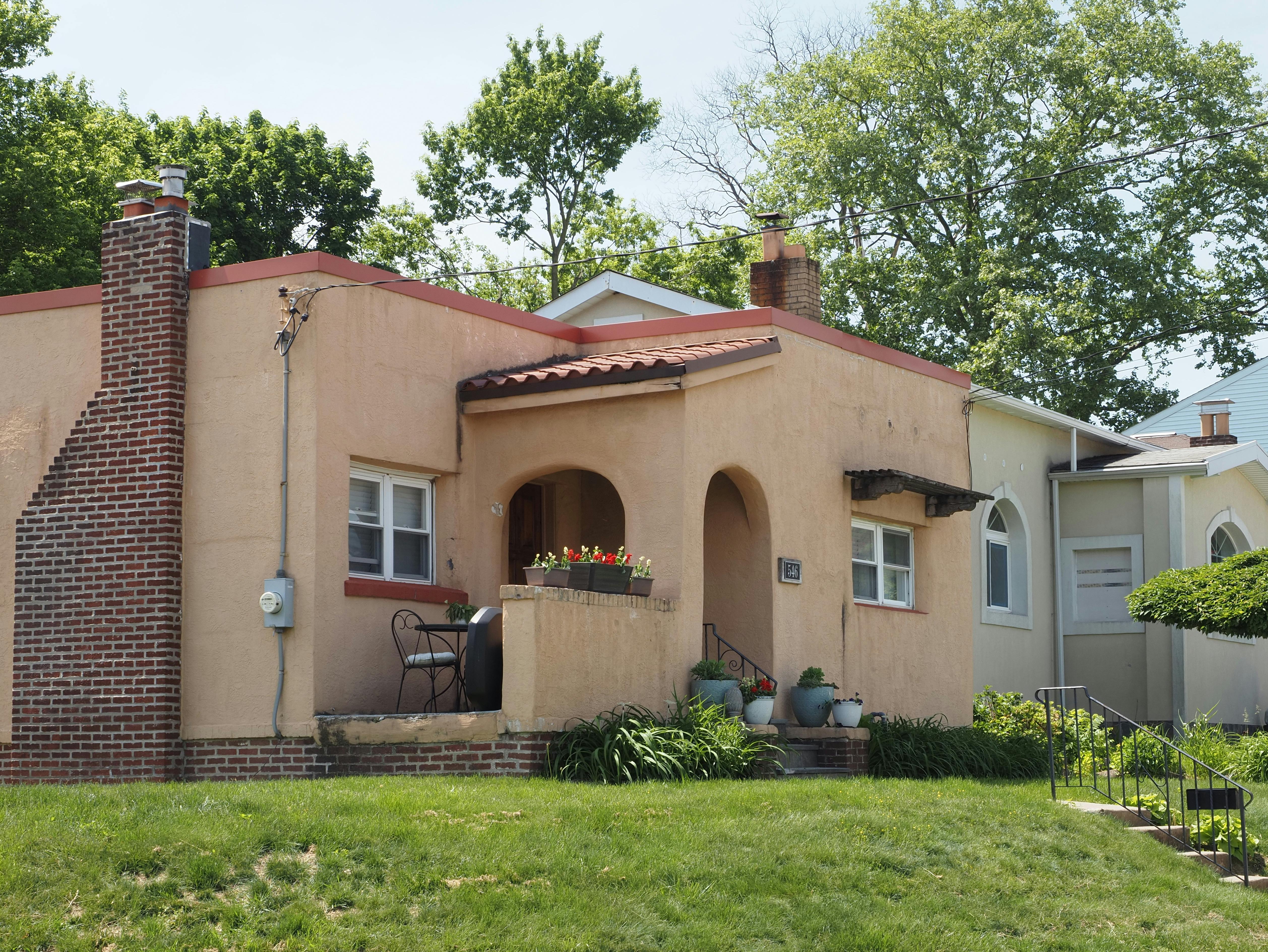
As of March 2026, the Commonwealth of Pennsylvania is at a critical juncture regarding the stability and affordability of its housing market. With approximately 56,000 households residing in manufactured home communities, these neighborhoods represent a vital, yet increasingly vulnerable, segment of the state’s affordable housing infrastructure. In recent years, a growing trend of out-of-state private equity firms acquiring these communities has led to significant, often unpredictable, increases in monthly lot rents. This shift has prompted Governor Josh Shapiro to take decisive action, calling for comprehensive reforms to protect residents from predatory practices and ensure long-term housing security.
The Current Landscape: A Call for Reform
In March 2026, Governor Shapiro visited Douglass Village in Berks County to highlight the urgent need for legislative intervention. This visit underscored the human impact of the current housing crisis, where residents—many of whom are seniors, veterans, or individuals on fixed incomes—find themselves struggling to keep pace with rising costs. While these residents own their factory-built homes, they lease the land beneath them, leaving them susceptible to the business models of corporate landowners who may prioritize rapid profit over community stability.
The Governor’s push for reform is a cornerstone of his broader Housing Action Plan, a ten-year strategy designed to expand housing supply, modernize regulations, and improve affordability across the Commonwealth. Central to this effort is the call for the Pennsylvania General Assembly to pass legislation that would limit annual lot rent increases, tying them to the Consumer Price Index (CPI) while allowing for adjustments related to extraordinary operating expenses or major repairs.
Legislative Progress and Challenges
The legislative path to these protections has been marked by significant bipartisan effort in the House of Representatives. In June 2025, the Pennsylvania House passed House Bill 1250 with a 144-59 vote. This bill, sponsored by Representatives Liz Hanbidge, Melissa Cerrato, and Joe Webster, aims to:
- Establish reasonable limits on annual lot rent increases.
- Require transparent disclosure of rent, fees, and service charges at least 90 days before they take effect.
- Protect the rights of residents to organize and operate resident associations without interference.
- Ensure residents have longer notification timelines regarding lease changes.
Despite this momentum in the House, the legislation has faced delays in the Pennsylvania Senate, where it has been referred to the Senate Urban Affairs and Housing Committee. Governor Shapiro has consistently urged Senate leadership to bring the bill to a vote, emphasizing that the majority of senators would likely support the measure if given the opportunity. The delay has drawn criticism from advocates, including the Coalition of Manufactured Home Communities of Pennsylvania, who argue that the financial strain on residents is mounting daily.
The Governor’s 2026-27 Housing Action Plan
Beyond the immediate need for rent stabilization, the Governor’s 2026-27 proposed budget and Housing Action Plan introduce a multi-faceted approach to housing security. These proposals reflect a commitment to creating a more equitable environment for all Pennsylvanians:
Protecting Renters and Homeowners
The administration is advocating for a statewide cap on rental application fees, ensuring they are tied to the actual cost of screening and prohibiting fees before a property is viewed. Furthermore, the plan includes measures to seal eviction records for individuals who were not actually evicted and to advance fair-chance housing reforms regarding the consideration of criminal history in rental decisions.
Modernizing Planning and Permitting
To address the supply side of the housing crisis, the budget calls for updates to the Municipalities Planning Code. These updates aim to reduce regulatory barriers to residential development, improve permitting processes, and incentivize regional planning that reflects the diverse housing needs of Pennsylvania’s communities.
Empowering Residents
The Housing Action Plan also proposes giving residents the right of first refusal to purchase the land in their manufactured housing communities should the owner decide to sell. Additionally, it mandates that community owners notify both residents and local governments of any pending sale or land-use change, providing communities with the information necessary to advocate for their own future.
Ensuring Long-Term Stability for the Commonwealth
The goal of these reforms is to move beyond short-term fixes and establish a stable, predictable, and fair environment for every person living in a manufactured home. This is a long-term commitment to the integrity of Pennsylvania’s housing market. By setting high standards for corporate interaction with these communities, Pennsylvania is positioning itself as a leader in consumer and tenant protections.
The administration’s philosophy is clear: the health of the Commonwealth is inextricably linked to the housing security of its people. When leaders listen to the stories of their citizens—such as those shared by the residents of Douglass Village—and respond with concrete, meaningful action, the result is a stronger, more equitable society. The journey to protect residents from predatory out-of-state management companies is ongoing, but the path is set, and the resolve remains strong. As Pennsylvania moves forward, it continues to uphold the principle that a home is more than just property; it is the cornerstone of a secure and fulfilling life for every resident.
Conclusion: A Legacy of Fairness
The work being undertaken today serves as a foundation for years to come. By enacting these reforms, the government is creating a legacy of fairness that will benefit generations of Pennsylvanians. The vision is to move past an era where residents felt like outsiders in their own neighborhoods, replaced by a new era where residents, landowners, and the state work in concert to ensure that every home is a place of peace, safety, and stability. This mission is a testament to the power of governance to improve the lives of individuals, proving that even in a globalized economy, the state can and will assert its authority to protect its people.