
The Broader Stakes: More Than Just Vacation Rentals
While the immediate focus is on STRs, this legislative session is a proxy war for a much larger principle: the balancing act between state uniformity and local responsiveness. The struggle to define the exact scope of local government power to shape residential neighborhoods is a perennial theme in state capitals nationwide, and Idaho is currently in the spotlight.. Find out more about Idaho lawmakers curb local control short-term rentals.
Housing Pressure and Community Character
The impact on housing affordability cannot be overstated. In resort towns, the proliferation of STRs often directly correlates with a reduction in available long-term rental stock for the local workforce—the teachers, firefighters, and service industry employees essential to the tourism economy itself. The battle is often framed by local leaders as protecting the very *character* of their neighborhoods from becoming perpetual, transient hotel zones.. Find out more about State preemption legislation Idaho vacation rentals guide.
Consider the case of McCall, where hundreds of STRs operate within a small community. Local rules, like limits on occupancy or safety inspections, are seen as necessary guardrails. When the state steps in to remove those guardrails, the concern is that the community will face consequences—noise complaints, parking shortages, and an ever-shrinking pool of affordable housing for permanent residents—without a corresponding state mechanism to address them.
Actionable Steps for Engaged Citizens. Find out more about House Bill 583 Idaho Senate consideration tips.
If the regulatory landscape remains “highly fluid,” as the current political negotiations suggest, then the window for public influence is now. Do not assume that because a bill passed one chamber, the fight is over. The legislative process demands vigilance until the Governor signs the final document.
- Identify Your Senator: The fate of SB 1263 (the compromise) and any amendments to HB 583 will be decided in the Senate committees. Know who represents you in that chamber.. Find out more about Idaho Resort Cities Coalition lobbying efforts strategies.
- Focus on the Nuance: Instead of just saying “support local control,” use the language of the bills. Ask your Senator: Do you support the *specific* licensing thresholds in SB 1263, or the complete *elimination* of licensing in HB 583? Specificity sways votes.
- Watch the Effective Date: HB 583 includes an emergency clause to take effect on July 1, 2026. This signals urgency. When you reach out, emphasize the immediate impact of this date.. Find out more about Idaho lawmakers curb local control short-term rentals overview.
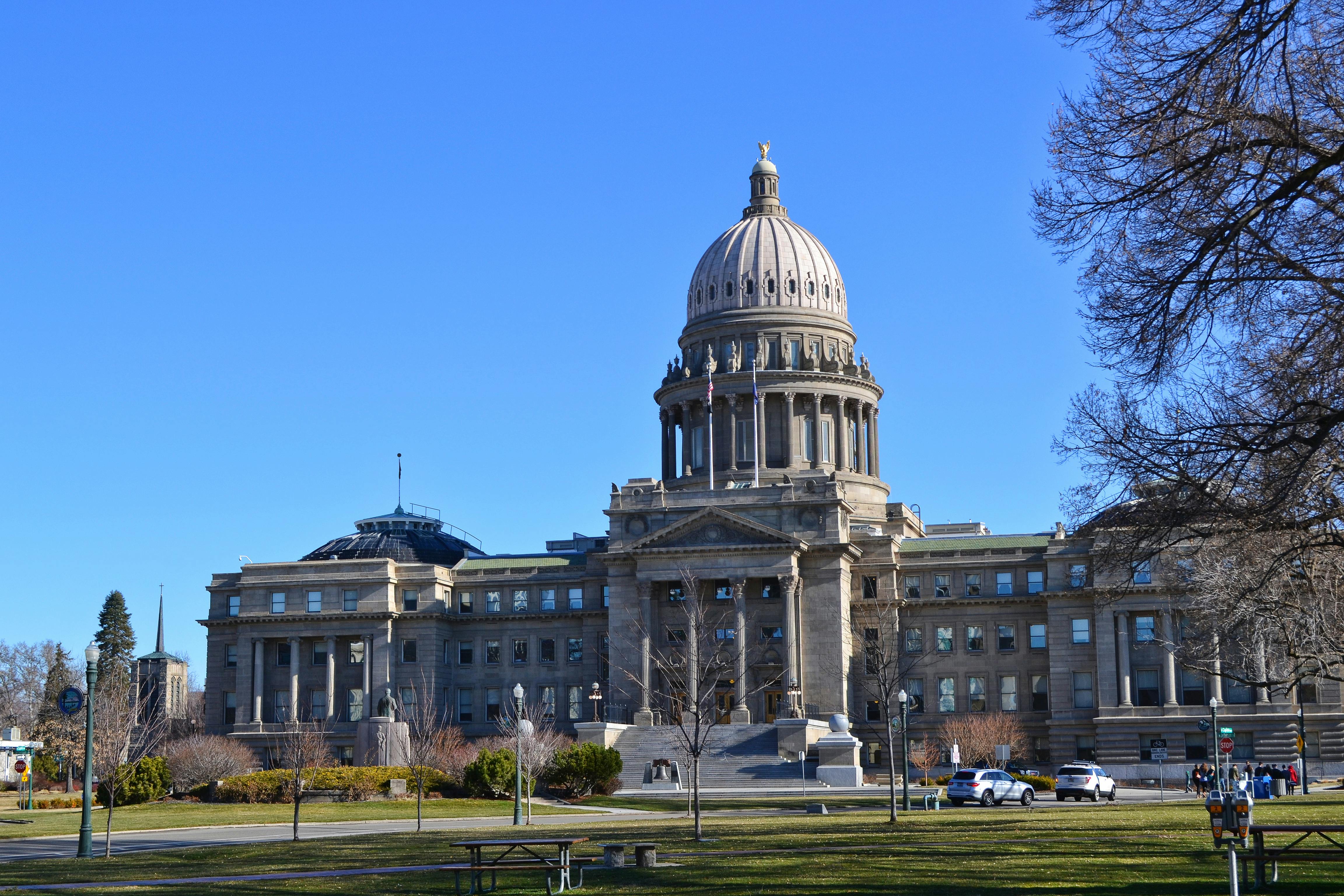
This conflict over short-term rental regulation is a litmus test for the future relationship between local autonomy and state mandates in Idaho. It is a story where political maneuvering, a recent Supreme Court decision, and the economic reality of tourism collide in the halls of the Capitol.
Conclusion: Defining the New Regulatory Landscape. Find out more about State preemption legislation Idaho vacation rentals definition guide.
The legislative trajectory over the next few weeks will finalize the new statutory boundaries between state oversight and the ability of local governments to shape their communities. House Bill 583 has drawn the battle lines by aiming for maximal market freedom and minimal local restriction. Senate Bill 1263 presents the olive branch, offering a narrow, quantifiable pathway for local licensing based on commercial activity, which appeals to the coalition of resort cities.
What we know for certain as of February 14, 2026, is that the status quo—the system that existed before the 2025 Supreme Court ruling—is already gone. The question is no longer *if* state law will preempt local ordinances, but *how much* state law will preempt local ordinances. The outcome will set a precedent that could influence state-local relations on everything from zoning to taxation for years to come. Stay engaged, because the final regulatory landscape remains entirely dependent on the political negotiations taking place right now in the upper chamber.
What do you believe is the right balance between a property owner’s right to use their property and a neighborhood’s right to maintain its character? Share your thoughts in the comments below.