
State Settles With Redding Property Manager Over Illegal Rent Hikes, Evictions: A Precedent for Tenant Protection in Northern California
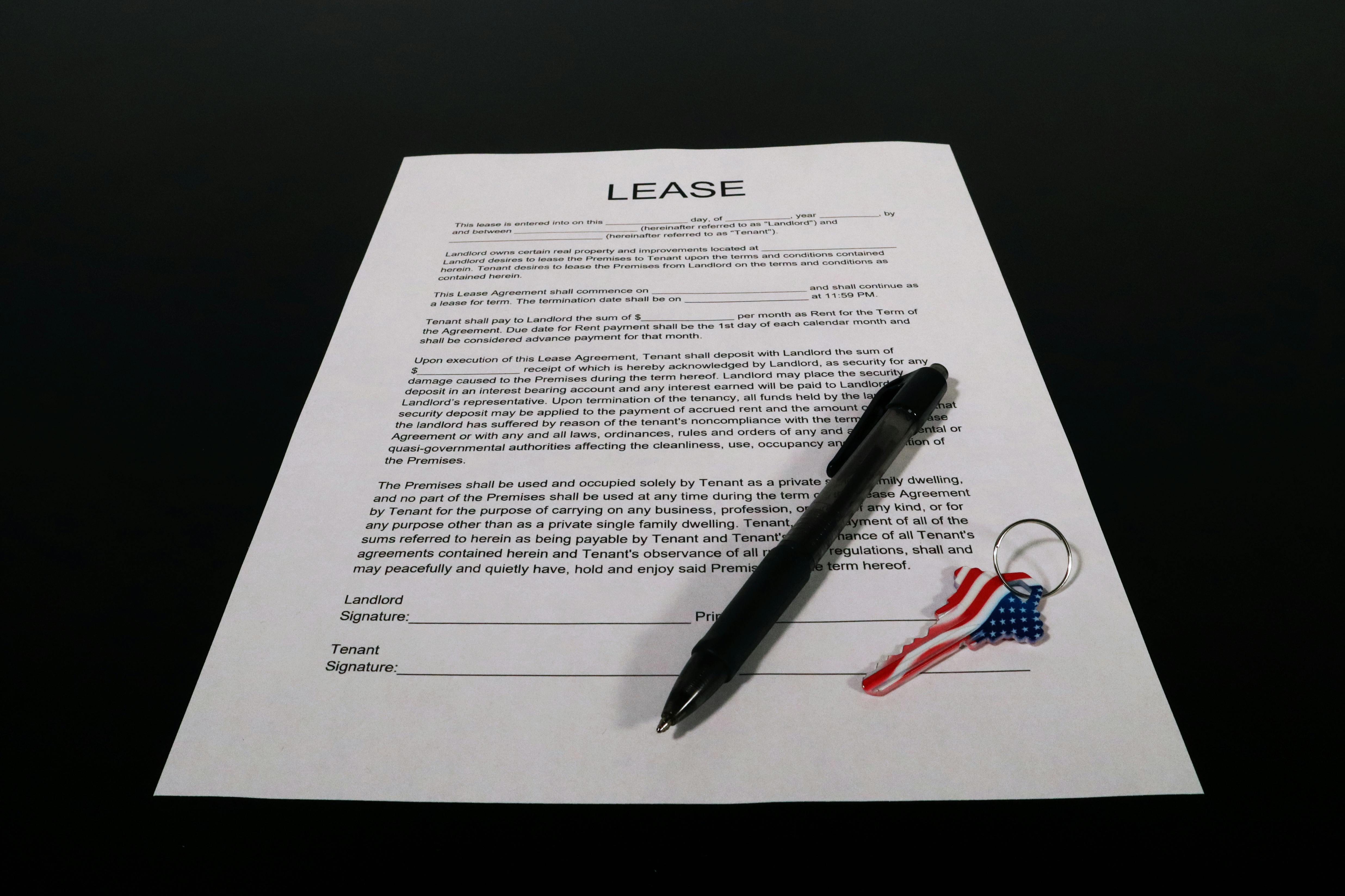
The announcement on February 25, 2026, of a comprehensive settlement between the State of California, led by Attorney General Rob Bonta, and a significant Redding property management company, Property Upsurge, and its affiliates, marks a pivotal moment in the ongoing effort to enforce tenant protections across Northern California. This resolution, stemming from a multi-year investigation, delivers direct financial restitution to wronged residents and establishes rigorous new compliance standards for the management of approximately 1,300 rental units across the region. The case serves as a definitive statement on the state’s commitment to holding landlords accountable for systemic violations of the California Tenant Protection Act and other housing laws.
VII. The Tenant Perspective and Community Impact
Relief for Families Facing Displacement and Overcharges
For the numerous families and individuals impacted by the illegal rent hikes and potential unlawful evictions in the Redding area, the settlement represented a profound moment of relief and validation. The financial component provided an immediate material benefit, with Property Upsurge agreeing to pay $550,000 directly to tenant victims and provide an additional $200,000 in debt relief for overcharged residents. This substantial infusion of capital into the hands of affected renters is not merely a financial transaction; it is a crucial step toward repairing the economic damage caused by alleged overcharges and the threat of financial insecurity due to wrongful demands. Furthermore, the injunctive terms offered the crucial assurance that their tenancy would be managed in the future according to established legal rights. The conclusion of the legal uncertainty provided a pathway to greater housing stability, which is foundational to overall community well-being and economic security for working families in Northern California.
The resolution’s significance extends beyond the direct monetary award. The settlement mandates specific actions to ensure compliance, including the design and implementation of new policies for tracking and reviewing rent increases to align with state law, alongside mandatory employee training. These proactive compliance measures are designed to build a firewall against future misconduct, offering a concrete foundation for long-term housing stability for current and future tenants under Property Upsurge’s purview. This commitment to procedural overhaul signals a systemic correction rather than a simple one-time fine.
The Message of Accountability to the Rental Community
The public announcement accompanying the resolution carried a powerful, unambiguous message from the state’s legal leadership. Statements emphasized that actions leading to the hardship of residents—such as wrongful displacement and illegal rent charging—are not merely regulatory oversights but serious unlawful conduct. Attorney General Rob Bonta was unequivocal: “Forcing families out of their homes, charging illegal rent, and targeting vulnerable tenants is not just unjust, it’s unlawful”. This assertion serves as a clear deterrent, intending to resonate with all property owners and managers across the state, regardless of their scale of operation, confirming that executive authority will actively intervene when tenant protections are systematically disregarded for financial gain. The investigation, which began in 2023 in partnership with the Shasta County District Attorney’s Office, targeted violations of the California Tenant Protection Act, the Fair Employment and Housing Act, habitability laws, and the Unfair Competition Law. The penalty package, which also includes $50,000 in civil penalties to be split between the state and Shasta County for consumer protection enforcement, underscores the severity with which the state views these transgressions.
This enforcement action against Property Upsurge, which manages a significant portion of Redding’s lower-to-mid-cost rental market, positions it alongside other recent, high-profile actions taken by the Attorney General’s office. For instance, the AG’s office secured a $495,000 settlement with Mission Rock Residential California, Inc. over excessive rent hikes and was central to the $7 million multi-state settlement with Greystar concerning algorithmic pricing schemes. These parallel actions create a cohesive narrative of heightened regulatory scrutiny across the entire spectrum of alleged landlord malfeasance, from individual overcharges to systemic anti-competitive practices.
The Role of Legal Aid in Flagging Systemic Issues
The narrative arc of such enforcement actions often begins with the advocacy efforts of non-profit legal services. In many instances, it is the local legal assistance organizations that first identify recurring patterns of abuse or statutory non-compliance among a specific management group, gathering initial accounts from vulnerable renters. Legal Services of Northern California was specifically recognized by the Attorney General’s office for their assistance in the investigation into Property Upsurge. Their diligence in aggregating these individual stories into a compelling evidentiary basis is what often allows state agencies to launch the formal, resource-intensive investigations that ultimately lead to significant, system-altering settlements like the one concerning the Redding firm. This collaborative approach—where community-level advocacy provides the initial intelligence for state-level enforcement—is becoming a standard and necessary mechanism for ensuring that tenant rights are robustly defended against large-scale operators.
VIII. Future Implications for Property Management in the Golden State
The resolution involving Property Upsurge in early 2026 is not an isolated event but a marker in the continuing evolution of housing law enforcement in California. The implications for the entire property management industry are substantial, pointing toward a future defined by tighter compliance, greater transparency, and a more proactive regulatory posture from Sacramento.
Heightened Scrutiny on Lease Renewal and Notice Procedures
Looking forward from the events of Two Thousand Twenty-Five, the implications for property managers across California are clear: a significant elevation in compliance standards, especially concerning the most sensitive transactional documents. Every notice of rent increase, every lease renewal offer, and every notice to vacate will now likely be viewed through the lens of this precedent, prompting greater internal diligence in verifying statutory compliance before issuance. Managers will need to prioritize detailed record-keeping that explicitly maps every rent adjustment back to an authorized calculation under the Tenant Protection Act (AB 1482).
The settlement specifically required Property Upsurge to comply with the Tenant Protection Act’s substantial-remodel eviction process requirements. This points to intense future scrutiny on Ellis Act and substantial remodel notices, which are often used as pretexts for large rent increases upon re-rental. As of the end of 2025, the rent cap under AB 1482 for the period August 1, 2025, to July 31, 2026, is capped at 5% plus local CPI, or 10%, whichever is lower, reinforcing the financial limits landlords must respect, even after a vacancy. Any future deviation from these precise formulas will invite immediate and aggressive state inquiry.
The Continuing Evolution of Rent Stabilization Enforcement
This case, alongside other contemporary enforcement efforts, solidifies the trend toward more aggressive and comprehensive state-level enforcement of rent stabilization laws. The state authority has demonstrated its willingness to allocate significant resources to investigate and resolve long-term, systemic issues, as evidenced by the DOJ’s 2023 launch of the Property Upsurge investigation. This suggests that the era of relying on voluntary compliance or waiting for individual tenant lawsuits to address broad misconduct is waning, replaced by a more centralized, proactive regulatory posture aimed at maintaining broad housing affordability parameters. The regulatory environment for rental housing in California continues to tighten throughout 2026, with key themes including limited rent growth tied to CPI and increased documentation obligations.
Furthermore, the state is increasingly focused on discrimination related to housing assistance. The Civil Rights Department’s earlier settlement in July 2025 concerning discrimination against a Section 8 tenant in Sacramento highlights a related enforcement front. Property Upsurge was also accused of charging higher rents to tenants using Section 8 vouchers, linking the financial violations to potential fair housing violations. This convergence of tenant protection enforcement—rent caps, eviction procedures, and source-of-income protection—suggests a holistic approach to accountability being deployed by state agencies.
A Call for Proactive Technology and Policy Audits
The industry must heed the lessons derived from both the local management malpractice case and the parallel algorithmic collusion suits. The future demands that property operators not only adhere to the letter of the law but also conduct proactive, independent audits of their management technologies and internal policies. The involvement of the Attorney General’s office in settlements concerning algorithmic pricing, such as the one reached with Greystar in November 2025, sends a clear signal that technological facilitation of anti-competitive behavior will be prosecuted.
This involves questioning whether any software, pricing model, or manual procedure, however convenient, could be construed as facilitating anti-competitive coordination or circumventing established tenant safeguards. Property managers must ensure their systems are not inadvertently sharing “competitively sensitive information” that leads to uniform price recommendations across a market. Specifically, managers are now required to implement new policies and complete annual compliance audits covering all rent increases for the next three years, a process that necessitates a deep dive into any pricing software used. By undertaking these proactive, independent audits of both policy and technology, operators can mitigate exposure to future, potentially more severe, enforcement actions, turning compliance from a defensive necessity into a strategic operational advantage in California’s increasingly regulated housing landscape.