
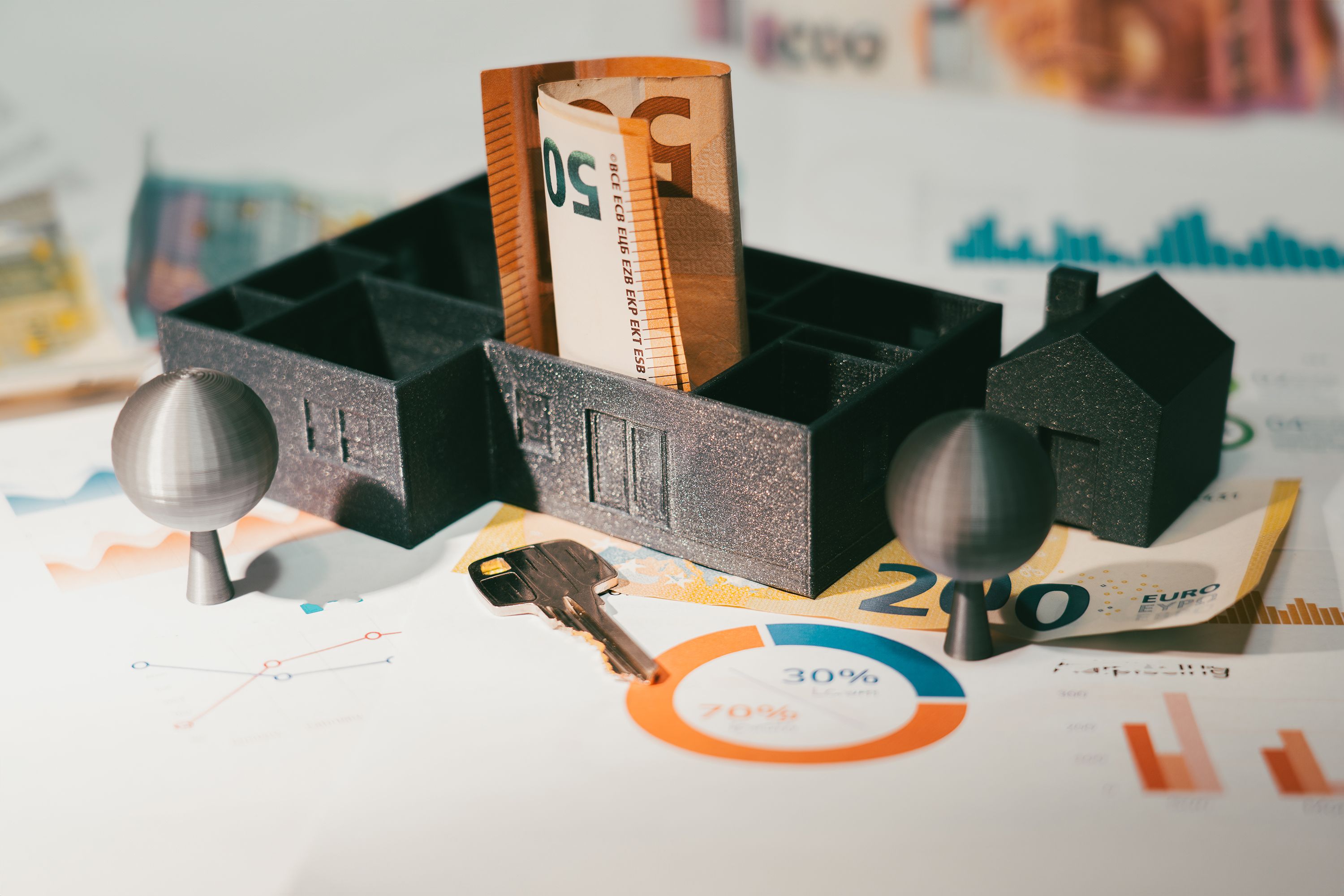
The Great Deceleration: Why New Multifamily Development Starts Are Hitting the Brakes
The period immediately preceding 2026 felt like a construction boom in Nampa. Completed unit deliveries surged, offering a temporary balm to years of intense rental pressure. Yet, if you peel back the curtain on developer activity over the latter half of 2025, you see a palpable shift—a clear deceleration in the initiation of *new* construction projects. This isn’t a sudden panic; it’s a rational response to a confluence of persistent economic headwinds that make starting a new multifamily project a high-stakes calculation.
The Triple Threat: Costs, Capital, and Caution
Developers, those risk-takers who fuel future supply, are navigating what feels like a minefield. The inputs for building—from raw materials to skilled labor—have seen sustained increases. While some commodity prices might have moderated slightly from peak volatility, the overall cost structure remains elevated compared to just a few years ago. This reality is being formalized locally through mechanisms like Development Impact Fees, which the City of Nampa collects to offset growth-related costs for public services like streets and fire, effectively increasing the barrier to entry for new projects. The other major factor is the cost of capital. Even if mortgage rates have stabilized in the low-to-mid 6% range for long-term home buyers as economists are predicting for 2026, the financing environment for large-scale commercial development remains tight. Developer loans are benchmarked against different metrics, and the higher prevailing interest rate environment continues to affect project feasibility studies, making a project that was a “sure bet” in 2022 an uncomfortable gamble today. This has been reflected in national and regional construction metrics. While multifamily housing starts nationwide saw an uptick at the very end of 2025, climbing in December to the highest level of that year, the overall annual trend indicated a pause. Single-family home building, which often frees up the workforce and resources for other sectors, saw a notable dip in 2025. When builders—especially those focused on single-family tracts—are pulling back, it signals a broader hesitation driven by affordability concerns for the end-buyer, a pressure that inevitably spills over into multifamily underwriting. This decrease in the new housing pipeline starts right now is perhaps the single most important leading indicator for the rental market of next year. For a deeper dive into the broader regional trends influencing these local decisions, you might find our recent Treasure Valley market analysis insightful.
Projected Impact: The Delayed Squeeze on Late Twenty Twenty-Six Availability. Find out more about Nampa Idaho multifamily construction slowdown 2025.
It’s crucial to manage expectations: the slowdown in *starts* right now will not immediately impact your rent receipt next month. Construction timelines mean that the units currently wrapping up—like the well-publicized 264-unit “The Logan” complex scheduled for a 2026 completion—are the final deliveries from projects initiated when sentiment was higher. These units are being absorbed into the current market, which, as of early 2026, is generally considered “WARM”.
The Absorption vs. Influx Equation
The real pressure point is set to emerge in the latter half of 2026. Here is the basic math we are watching:
- Current Absorption: Existing, high-occupancy units are continually being leased up, meaning tenant turnover is likely low, and every available unit is quickly filled.
- Reduced Influx: Due to the development caution we just discussed (the late 2025/early 2026 slowdown in *starts*), significantly fewer *new* units will be entering the market in Q3 and Q4 of 2026 than might have been projected a year prior.. Find out more about Nampa Idaho multifamily construction slowdown 2025 guide.
When the current inventory gets fully leased, and the expected pipeline of *new* supply for the latter half of the year is leaner than necessary to meet sustained demand, the market dynamic flips. Analysts project that this dearth of newly completed units entering the market could re-accelerate rent growth in the subsequent year. The competitive environment of early 2026, which might feel simply *tight*, is becoming the precursor to potentially much more stringent conditions down the line. This makes the current environment a vital time for renters to understand their leverage and for investors to secure future positions. To better understand current occupancy rates, check out the latest Idaho rental reports.
Investment Appeal and Landlord Strategy in a Maturing Market
Despite the emerging renter price sensitivity—the natural pushback when rents have seen significant increases—Nampa continues to present a compelling case for real estate investors. The market is maturing, which means the era of runaway, speculative growth might be moderating, but it’s being replaced by the stability of proven fundamentals.
Sustained Investor Interest Backed by Regional Growth. Find out more about Nampa Idaho multifamily construction slowdown 2025 tips.
The data supports ongoing attraction for capital deployment focused on income generation. While the blistering year-over-year rent growth figures from 2024/early 2025 might be moderating to more sustainable levels—we see figures like 3.3% YoY change reported in February 2026, compared to a much higher 24.32% reported previously—this moderation itself is a sign of a stabilizing, more predictable environment. This steady appreciation, alongside steady (if slower) home price appreciation, anchors rental income stability. Property owners who bought well are still seeing their assets appreciate in value while collecting rents that remain significantly higher than pre-surge levels. Nampa has cemented its place as the “Value Leader” in the Treasure Valley, with the price gap against Boise widening to nearly $90,000 on median home prices. This value proposition anchors inherent demand from both owner-occupants and renters who are priced out of Meridian or Boise. For investors, this creates a defensive position: demand is persistent because the location offers necessary economic opportunity without the premium price tag of its neighbors. Landlords in this maturing market are moving from a pure “growth” strategy to one focused on maximizing Net Operating Income (NOI) through smart retention and service. For investors looking ahead, understanding the macro view is key. We recommend reviewing the latest national real estate forecast to see how local dynamics fit the broader economic narrative.
Navigating the Local Real Estate Landscape: Beyond the Apartment Gate
In a market where new construction is slowing and rents are high, the intrinsic quality of a location—what we can’t measure in units or cap rates—becomes the true differentiator for both residents and investors. The desirability of a specific Nampa address is no longer solely determined by the rent receipt; it’s about the ecosystem surrounding the apartment gate.
Community Sentiment: The Unquantifiable Asset
Qualitative assessments are painting a consistently positive picture for Nampa residents. Anecdotal reports, often the first indicator of a shift in community satisfaction, frequently highlight the general orderliness of neighborhoods and the upkeep of public spaces, like local parks. This positive community sentiment—a valuation of safety, cleanliness, and neighborhood cohesion—contributes significantly to the desirability of the address cluster. In many areas, especially townhome sections or newer suburban builds lacking formal Homeowners Association oversight, this *self-policing* or *civic pride* becomes the de facto HOA. It keeps the curb appeal high, which directly translates to higher perceived value and better tenant retention for property owners.
The Importance of Zip Code 83686 Trends: A Micro-Market Index. Find out more about Nampa Idaho multifamily construction slowdown 2025 strategies.
For stakeholders monitoring the true pulse of Nampa rentals, looking at the city-wide averages can sometimes mask critical micro-market realities. The zip code **83686**, which includes areas like Sunny Ridge, warrants close monitoring as a localized index for the city’s overall market health. Why? Because micro-market dynamics can often diverge sharply from city-wide averages, especially concerning the velocity of lease signings and the uptake of advertised rental incentives. In a tight market, if one specific postal code sees a sudden, localized drop in available listings—perhaps due to a few larger properties converting leases simultaneously or a small cluster of single-family homes going off-market—the immediate competition for the remaining units in that zone can spike rents disproportionately compared to the rest of Nampa. Conversely, pockets where new, smaller projects *did* finish might see a temporary loosening. Tracking granular data—recently sold homes, local school ratings (a massive draw for families), and hyperlocal listing activity within 83686—provides a granular insight into where demand is *actually* concentrating right now. This granular focus is essential for setting competitive pricing for the upcoming summer leasing season. To better track these specific local shifts, bookmark the City of Nampa’s official Building Permit Reports, which offer a direct look at where physical construction is occurring.
Actionable Takeaways for Navigating the 2026 Rental Climate
As we move through March 2026, the market is entering a critical phase where past supply is being absorbed, and future supply is being constrained. Here is what property managers, investors, and renters should be doing now:
For Renters: Prepare for Renewed Competition
- Lock In Now: If you are comfortable with your current rent and location, prioritize securing a multi-year lease extension if the landlord is offering one, especially if they aren’t planning significant capital improvements.. Find out more about Nampa Idaho multifamily construction slowdown 2025 overview.
- Leverage Stability: With mortgage rates showing a trend toward stability, understand that landlords are less likely to offer deep, one-time concessions (like a free month’s rent) as the year progresses. Early lease signings in the late spring/early summer will likely be the most favorable.
- Focus on Neighborhoods: Given the importance of community sentiment, tour the amenities and feel of the neighborhood, not just the square footage. A well-maintained community is less likely to see sudden, aggressive rent hikes driven by necessary capital expenditure catch-up.. Find out more about Projected rental market conditions Nampa Idaho 2026 definition guide.
For Investors: Balance Current Yield with Future Planning
- Stress-Test Future Income: When underwriting new acquisitions, do not rely on the 2024/2025 YoY rent growth figures. Use a more conservative, stabilized rent growth projection for the 2027+ period, assuming the current construction slowdown translates to tighter supply.
- Track Pipeline Starts: Don’t just track completions; track *permitting activity* and *site preparation*. The projects that break ground in Q2 and Q3 of 2026 will be your *new* competition in 2028. An active permitting office today signals future stabilized supply tomorrow.
- Retain Quality Tenants: Given the cost and time involved in turnover, focus resources on tenant retention programs. A high-quality, long-term tenant paying $1,700 today is often more valuable than a new tenant willing to pay $1,850 after a $500 concession and unit repaint. Review our insights on property management strategy for more on this.
The Road Ahead: A Measured Approach to Nampa’s Dynamic Future
The Nampa rental story in 2026 is one of nuance. It is not a market in freefall, nor is it one poised for endless, unchecked growth. It is, instead, a **maturing market defined by building caution**. The evidence from late 2025 points to developers taking a strategic pause, driven by clear financial realities like rising construction costs and developer financing hurdles. This pause creates a predictable, delayed consequence: reduced supply influx arriving right when existing inventory is fully absorbed toward the end of the year. This dynamic confirms Nampa’s standing as a “Value Leader” in the Treasure Valley but warns that its value proposition might become *more* contested for renters as 2026 progresses. For those participating in this ecosystem—be it by paying rent or collecting it—the message is clear: **Look beyond the immediate horizon.** The decisions made (or *not* made) in construction starts today are forecasting the supply conditions of tomorrow. Understanding this undercurrent allows you to move with precision, whether securing your next lease or underwriting your next acquisition. What trends are you seeing most clearly in your corner of Canyon County? Are you noticing a difference in lease renewal offers versus new tenant pricing? Share your observations below—this collective local intelligence is key to navigating this next phase of the Nampa rental evolution.