
Comparative Suburban Analysis: When the ‘Eagle Feeling’ Fades
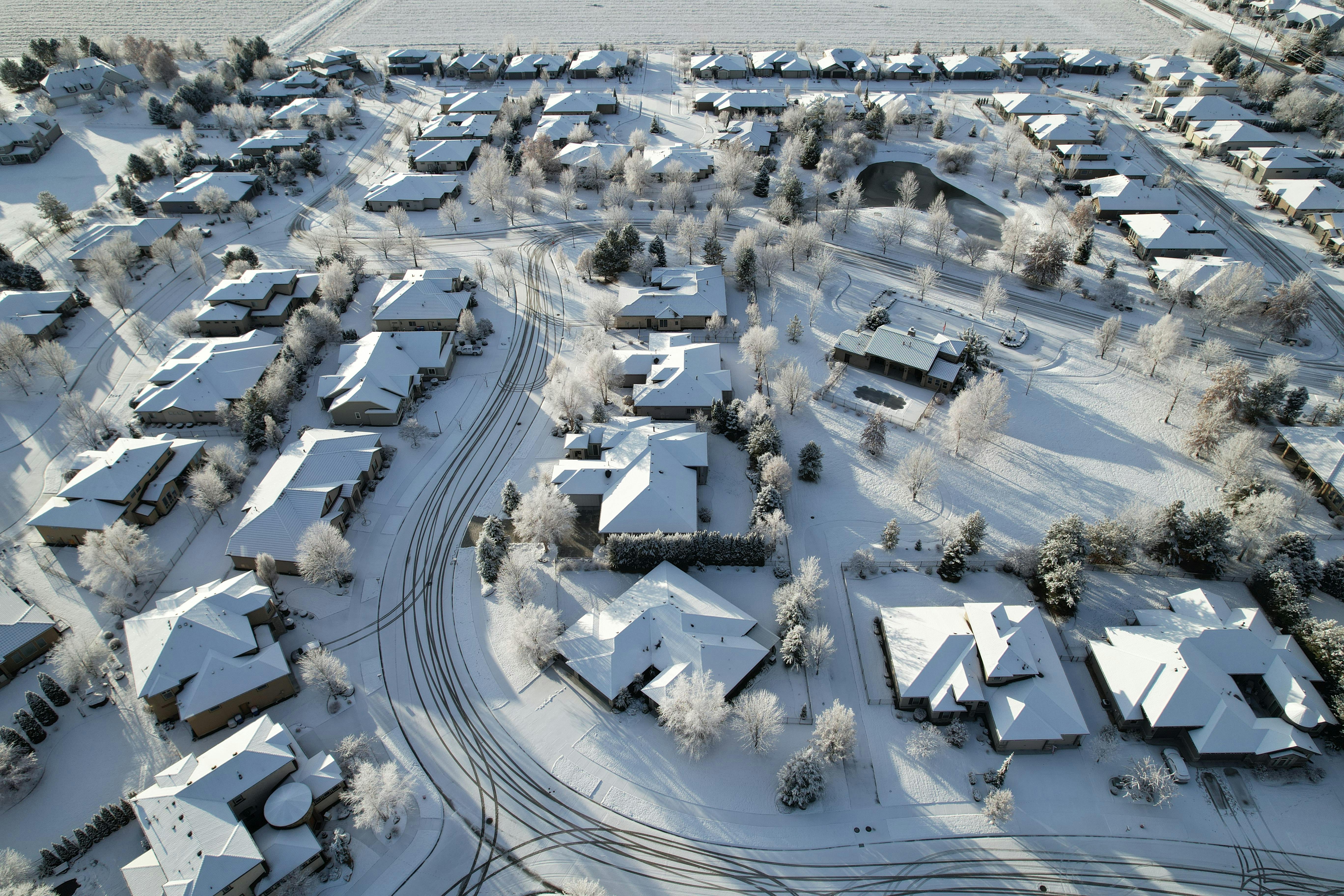
The massive investment in Valnova underscores Eagle’s aspirational status, but it also highlights a recurring theme in regional reporting: relocation regret. Many residents move to Eagle for the prestige, the proximity to the foothills, and the promise of a certain quietude, only to find the day-to-day reality clashes with the idealized vision once the moving boxes are unpacked. This prompts a necessary comparative review of the areas attracting residents looking for a better *lifestyle* return on their housing dollar.
The Cost-to-Amenity Ratio and Daily Realities
For many who stretch their budgets for an Eagle address, the shine can fade when confronted with the cost-to-amenity ratio. The relative seclusion that seemed charming during the initial decision often translates to frequent travel for daily necessities or varied entertainment. A resident living in the newer, high-end sections of Eagle might find themselves driving back to Meridian or deep into Boise constantly to access comprehensive retail centers, varied dining experiences, or larger community events [cite: 4 in prompt]. When the premium paid for the “Eagle feeling” means doubling your commute for groceries or a decent night out, the value equation flips. This realization prompts a re-evaluation of location. It’s a subtle, creeping dissonance: the house is perfect, the view is stellar, but the *convenience* anchor is too far west or south.
Pivoting to Next-Tier Alternatives: Star and the Outskirts. Find out more about Idaho manufactured housing tenant rights 2025.
In response to this post-relocation dissonance, many discerning buyers—often those priced out of the ultra-luxury market or those seeking a different pace—are pivoting to adjacent or slightly more peripheral communities.
- Star, Idaho: This city is frequently cited as an excellent alternative. It often offers a slightly more pronounced ‘country’ feel and a smaller-town atmosphere that some residents find more authentic than Eagle’s fast-developing suburban sprawl [cite: 4 in prompt]. The median home price in Star as of January 2026 was approximately $707,499, significantly below Eagle’s median near $1 million.
- Outskirts Growth Corridors: Exploring newer developments on the western and northern outskirts of Eagle, particularly those bordering Star or areas near Highway 16 (like Valnova’s location), allows residents to capture newer construction and potentially better *value* per square foot, while retaining relatively swift access to Meridian’s established infrastructure [cite: 4 in prompt]. This represents a strategic compromise between high-end isolation and daily convenience.
- Multi-Family Sector (Apartments/Townhomes): This sector appears resilient. High occupancy rates reported through late 2025 and early 2026 indicate a stable, though perhaps slower-growth, investment class. It serves as the default housing solution for many new workers until they can transition into ownership.
- Single-Family Rental Sector: This segment appears more immediately sensitive to renter price resistance. As affordability becomes a greater concern, landlords seeking to maximize returns on high-value single-family homes face a more discerning renter base that is more willing to compromise on location or amenities to save money [cite: 4 in prompt].
When making a move, especially a relocation, understanding the trade-offs is key. We recommend looking closely at the Meridian and Eagle cost of living index to quantify the daily expenses associated with a longer commute versus a potentially lower mortgage payment.
Forward-Looking Projections: Taming the 2026 Rental Supply
Looking forward from March 2026, the rental market in the greater Treasure Valley is defined by a dynamic tension. The primary tension arises from a structural lag: the slow pace of new housing starts that characterized much of 2024. While the market has enjoyed a temporary stabilization as 2025’s absorbed inventory cleared, a sustained decline in new unit deliveries over multiple quarters inevitably tightens supply down the line.
The Lag Effect: Upward Pressure on Effective Rental Rates
If the Treasure Valley continues its consistent pace of job and population in-migration—a trend that has kept the area highly attractive to new residents—that structural shortage in new rentals will likely begin to assert significant upward pressure on effective rental rates toward the end of 2026. This trend has the potential to disproportionately impact renters who were already priced out of the primary single-family housing stock and are now competing for a shrinking pool of more affordable units. Data from January 2026 suggested average rents in Eagle were hovering around $2,045, showing a slight year-over-year *decrease* of 1.0%. However, this mild softening is likely to reverse if new construction doesn’t keep pace with job growth, leading to a much tighter second half of the year.
Investment Strategy Divergence: Multi-Family Resilience vs. Single-Family Sensitivity. Find out more about Collective bargaining for mobile home park residents Idaho tips.
For investors tracking these trends in Eagle and the broader Boise area, the data suggests a clear divergence in where capital might find stability versus growth:
Investment theses for 2026 will likely need to pivot. The focus should be on either acquiring or developing properties that fit a specific, more attainable middle-tier price point, OR properties that deliver *demonstrable, high-value lifestyle upgrades*—like those Valnova is promising—to effectively justify any premium asking rent. This suggests that the “middle ground” is the sweet spot for stability. Learn more about these shifting dynamics in our analysis of multi-family vs. single-family rental portfolios.
Concluding Assessment: A Maturing Ecosystem Demands Sophistication. Find out more about Valnova community Eagle foothills amenities strategies.
The current collection of market data—from the hyper-specific, gritty details of the tenant mobilization at Elevate Eagle to the high-level, luxury expansion embodied by Valnova—paints a complex picture of a maturing, yet still fiercely competitive, regional housing ecosystem as we move through 2026. The developments surrounding rental availability and resident organization are significant not just for the parties immediately involved, but for the overall economic health and social fabric of the Treasure Valley.
Key Trends Shaping Local Governance and Housing Policy
The high-profile mobilization of tenants in a community like Elevate Eagle, juxtaposed with the increasing public discourse about the massive affordability gaps between luxury markets like Eagle and the core city of Boise, has placed housing policy squarely on the agenda for local municipal and county leadership. The organized push for greater tenant protections, directly spurred by actions against perceived arbitrary and unfair fee structures, is likely to compel local bodies to review existing ordinances governing manufactured housing. Even with the reality of state preemption limiting dramatic rent stabilization measures, the sheer visibility of this organized action can foster a shift toward more proactive, rather than reactive, policy-making in the near term. Officials are keenly aware that unchecked market forces can lead to instability, especially when they affect such a vulnerable segment of the housing stock. This is where the rights of property owners meet the social responsibility of governance.
Final Considerations for All Stakeholders. Find out more about Idaho manufactured housing tenant rights 2025 overview.
The evolving situation across Eagle requires a multi-faceted, sophisticated approach from everyone involved—renters, investors, and municipal planners alike. What does that look like right now, on March 14, 2026?
For Renters: Become a Sophisticated Consumer
Gone are the days of signing the first lease you see without reading the fine print on fees. Renters must become increasingly sophisticated consumers of housing information. You must weigh the immediate costs against the long-term *lifestyle* benefits—and be acutely aware of community organizing efforts around you. In manufactured housing parks, for instance, understanding the power of the community organizing structure is now as vital as knowing the lease termination clause.
For Investors: Temper Expectations with Operational Reality. Find out more about Elevate Eagle community labor action definition guide.
Investors need to temper any lingering expectations of continuous, rapid capital appreciation with the reality of a more discerning renter base and mounting operational complexities—the Elevate Eagle scenario is a prime example of operational risk becoming an organizational crisis. Investors relying on sudden, aggressive shifts in management to boost returns are finding that tenants are organizing faster than ever to push back. Stability in the multi-family sector looks more appealing than chasing premium single-family rental yields right now.
For Municipal Planners: Balancing Growth and Legacy
Planners must grapple with the challenge of fostering growth—as dramatically visualized by the scale of Valnova—while simultaneously ensuring that the existing, more affordable housing stock and its long-term residents are not marginalized by sudden, aggressive market force deployment. The debate in the coming months will center on infrastructure fees; developers are pushing back on high impact fees, while residents argue they are necessary to pay for the growth Valnova represents [cite: 20, related to general impact fee context]. The balancing act between enabling a $2+ billion luxury development and protecting a $150,000 mobile home pad rental rate is the defining challenge of the next fiscal year.. Find out more about Collective bargaining for mobile home park residents Idaho insights information.
This continuing evolution confirms that the Eagle ID rentals sector, and the wider Treasure Valley, remains a dynamic, critically important area of focus in the 2026 housing narrative. The fight for stability in one park is directly informing the policy debate that will shape the next luxury community.
What are your observations from the ground? Have you seen similar fee structures introduced in your community? Share your thoughts and experiences in the comments below—let’s keep this critical regional housing dialogue moving forward.