
Building Tomorrow, Today: How Proactive Workforce Strategy is Shaping Idaho’s Next Decade
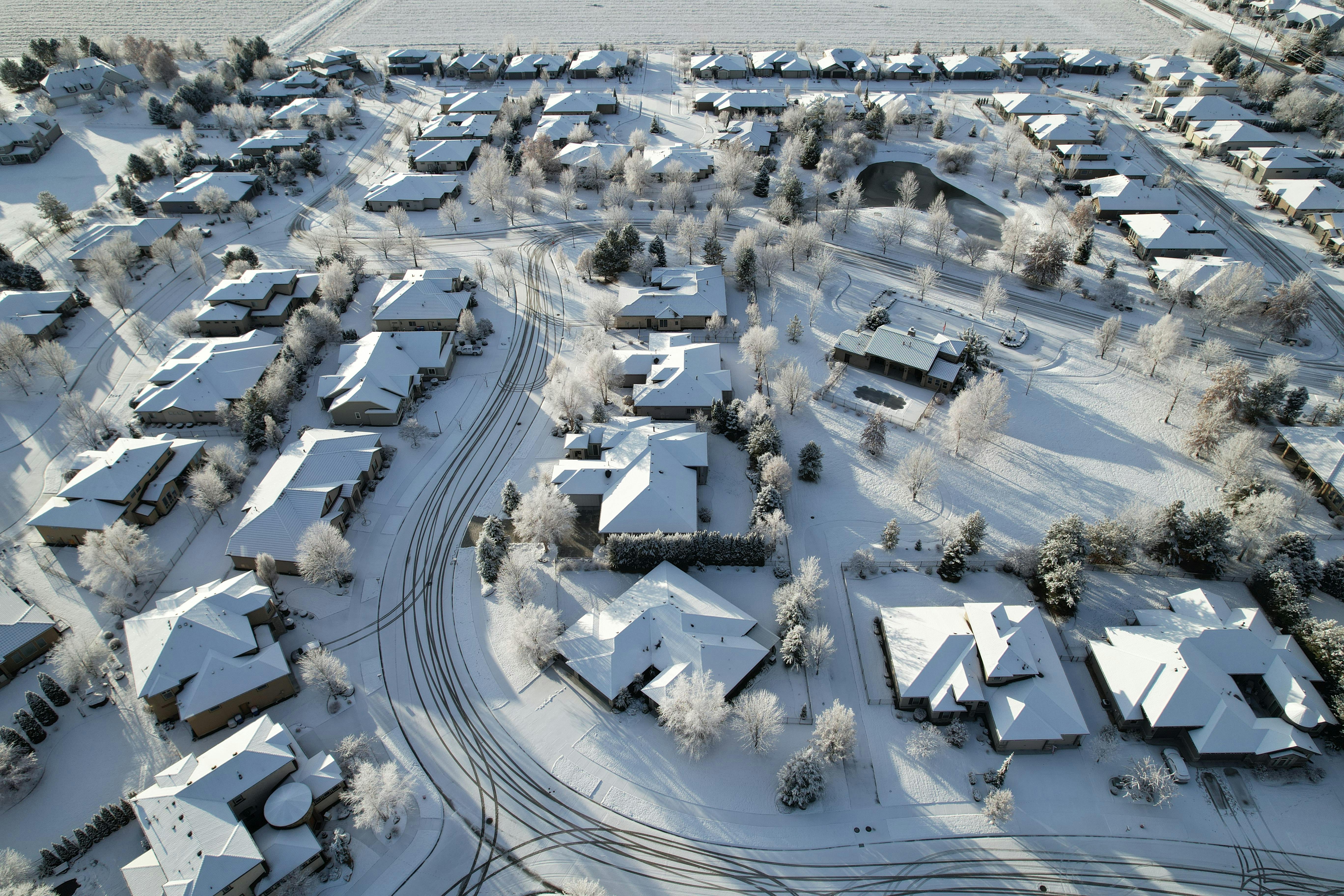
It’s easy to look at a massive hiring effort—like the one recently undertaken by Idaho’s number one homebuilder—and think, “They must be scrambling to keep up.” And sure, keeping pace in a market where affordability remains the top concern for Idahoans is no small feat. But peel back that layer of immediate activity, and what you find isn’t panic; it’s planning. It’s a firm, confident hand on the wheel, steering straight toward the horizon of Idaho’s development. As we stand here in February 2026, the message is clear: the state’s growth story isn’t slowing down—it’s evolving. And the companies positioning themselves now are the ones that will define the character of the next generation of Idaho neighborhoods. This isn’t just about filling desks and job sites; it’s about securing the talent required to build the *right* kind of future.
The Foundation of Future Growth: Beyond the Immediate Hiring Push
The energy surrounding that January 27th Job Fair wasn’t just about filling immediate vacancies across roles from sales to trade specialists. It was a strategic land grab for human capital. Why? Because the development pipeline—the actual blueprints for the next ten years—requires an expert workforce ready to embrace the shifts the market demands. The industry is moving away from the reactive boom of the early 2020s toward something more sustainable, more intentional, and frankly, more challenging.
The Strategic Pivot to Master-Planned Community Development
Looking ahead past the current hiring push, the focus is squarely on developing innovative, master-planned communities [cite: Provided Context]. This shift acknowledges the realities of the current Treasure Valley landscape: while population growth continues, it’s more stable and less speculative than in previous years. The easy, vacant land near core metro areas is increasingly spoken for. This necessitates a strategic pivot toward comprehensive community building that incorporates modern design, superior energy efficiency, and integrated neighborhood amenities [cite: Provided Context].
This isn’t just about adding homes; it’s about knitting together desirable neighborhoods that offer lifestyle value. Think about the expansion steering westward toward Canyon County, with cities like Nampa and Caldwell seeing increased focus as Boise and Meridian mature. When a builder commits to a master-planned development in these areas, they are committing to more than just housing tracts. They are designing the infrastructure, the community centers, the parks, and yes, incorporating the lifestyle amenities—like pools and pickleball courts—that today’s buyers, many of whom are relocating families and professionals, are seeking. This focus is what secures a top-builder status for the long haul, making their product relevant well past 2030.
The Role of Intentional Infill Development. Find out more about CBH Homes job fair January 27th.
While sprawling communities address net migration, a critical component of building a resilient future is infill development. Infill, for the uninitiated, means building *within* existing developed areas—repurposing underutilized lots or redeveloping older structures. This approach is vital for an evolving market like the Treasure Valley for several reasons:
The strategic hiring spree is directly tied to this complexity. Designing and executing responsible infill—which often involves intricate zoning, working with existing neighbors, and maximizing smaller parcels—demands higher-level planning and trade expertise. It requires crews who can manage modern building technologies while respecting the context of established areas. This is where the commitment to securing the “best talent now” becomes foundational to building tomorrow’s Idaho.
Innovation: Building Homes That Anticipate Life’s Next Chapter. Find out more about Strategic community planning Idaho homebuilders guide.
The message emanating from this significant workforce investment is one of confidence in the *quality* of future demand, not just the *quantity*. CBH Homes has long focused on building homes that the “average person” can afford, targeting firefighters, police officers, and teachers. To keep serving this core demographic while meeting the 2026 buyer’s demand for future-proofing, builders must lean into building science and adaptable design.
The Mandate for Energy Efficiency in 2026
In 2026, energy efficiency is no longer a niche upgrade; it’s a core performance metric. Rising energy costs mean homeowners are prioritizing utility savings and long-term performance over mere aesthetics. For a forward-thinking builder, this translates into concrete building choices:
This push requires highly trained tradespeople and managers—the exact roles emphasized in the recent hiring initiatives. Adopting these cleaner, more efficient building standards is how the industry manages volume while maintaining—and improving—the quality that defines a responsible builder. You can see more about Idaho energy efficiency standards to understand the regulatory landscape they navigate.
Flexible Floor Plans for Evolving Lifestyles
We learned a powerful lesson during the volatility of the last few years: life changes faster than the mortgage term. A room that is a guest bedroom today might need to be a full-time home office or a multi-generational living space tomorrow. The focus, as noted by industry observers, is on homes that *grow with you*.
This is where design acumen trumps simple volume. It requires forethought in the initial layout phase. When looking at future communities, you should look for evidence of this adaptability:
The Competitive Landscape: Reliability in a Shifting Market
In a market where inventory is still tight (around two months of supply versus the ideal 4-6 months) and mortgage rates are stabilizing near 6%, the biggest differentiator between builders becomes pure reliability. Buyers, especially first-time buyers, need certainty. They cannot afford delays or cost overruns that derail their financing.
The Power of Local Roots and Culture
The sheer scale of production capacity an established local builder can deploy is a major advantage. Being Idaho’s largest builder means they are deploying resources across the entire Treasure Valley and beyond. But this volume is reportedly tempered by a foundational culture. Unlike national conglomerates, this company prides itself on being Idaho-born and having an employee culture recognized as one of the state’s best.
This matters because happy, stable teams build better homes. The workforce secured at the January Job Fair is being integrated into a system praised for its “high-octane” yet supportive environment. When you are building the next generation of desirable neighborhoods, you need people who view the job as more than just a temporary task. They need a career path that supports the state’s long-term building needs. This investment in personnel translates directly into the *reliability* component—fewer delays, better quality control, and a commitment to seeing the project through to homeowner satisfaction.. Find out more about CBH Homes job fair January 27th overview.
Case Study in Scale: Where Development is Headed
To grasp the scale of this decade-long vision, look at where new housing stock is being anchored. While the core cities remain desirable, the reality is that geographic expansion is pushing projects further out.
Actionable Insight: Where to Watch for New Neighborhoods:
For those seeking to understand the investment angle of this growth, reviewing the historical data on Treasure Valley home value appreciation can provide necessary context.
Practical Takeaways for the Informed Buyer and Observer (February 2026)
The strategic alignment between a massive hiring push and long-term community planning provides crucial signposts for anyone involved in the Idaho market—whether you are buying, selling, or simply observing. Here are the key takeaways as of today, February 10, 2026:
- Don’t Wait for a Crash: The market, while showing stabilizing price appreciation (projected 3-5% statewide in 2026), still favors sellers due to chronic low inventory. Builders like this one are strategically staffing *now* to meet sustained demand. Waiting for a massive price correction may mean missing out on the best-designed new inventory.
- Demand Flexible Design Over Trends: The biggest value is in the floor plan itself. A home that can adapt its function without a costly remodel (e.g., a dedicated office nook vs. a formal dining room) offers superior long-term value. Review flexible floor plans for 2026 living before touring.
- Energy Efficiency is Non-Negotiable: New construction’s advantage over resale is often the building science built in from the foundation up. Expect higher standards for insulation and HVAC in new master-planned communities as a direct response to energy costs.
- Watch the Westward Shift: The next decade of substantial growth in the Treasure Valley will likely be anchored in Canyon County suburbs. This is where the development focus is moving to create those next-generation, amenity-rich neighborhoods.
Conclusion: Securing the Workforce to Build Tomorrow’s Idaho
The recent, high-energy effort to secure hundreds of new team members in January was never about filling empty seats for a short-term backlog. It was a foundational move—a declaration of intent for the next ten years of Idaho development. By proactively onboarding the talent necessary to manage complex master-planned development, embrace cutting-edge energy efficiency, and execute on intentional infill projects, the industry’s leaders are preparing for an evolving, but certainly not stagnant, future [cite: Provided Context, 5, 9].
Idaho’s growth story continues, driven by continued population inflow and a persistent lack of resale supply. The key difference now is the focus. The focus is on *how* to build—sustainably, flexibly, and strategically across a wider geographic footprint. For those looking to plant roots in the state, understanding this deliberate, large-scale effort to build the next generation of desirable neighborhoods is the best way to navigate the market today.
What aspect of strategic community planning interests you most? Are you prioritizing lifestyle amenities in a new master-planned community, or are you keeping a close eye on the long-term savings of robust energy efficiency standards? Share your thoughts below—the conversation about building the next decade starts now!