The Communication Chasm: When Silence Becomes the Standard Response
It is a frustratingly familiar script in residential management: the enthusiastic, attentive staff during the showing and application process gives way to a near-total breakdown in service once the key is turned. For one former tenant at Admirals Cove, who spent about a year in their unit, the engagement with operational staff was routinely described as consistently “unresponsive” and even “dismissive” after the initial contract was inked. This isn’t just about minor inconveniences; this pattern shows up in crises. Consider the mold incident previously detailed: a resident reportedly received zero acknowledgment of their urgent maintenance requests until they explicitly stated their intention to vacate the premises. This suggests communication at this property—and perhaps in similar environments—is not channeled through the designated, proactive systems like maintenance ticketing. Instead, the only effective “channel” seems to be the threat of immediate vacancy or the specter of legal engagement. What does this reactive posture signal about property stewardship? It suggests management views tenant interaction as a necessary evil to be managed, rather than a partnership in maintaining a shared living environment. For any community manager, the takeaway here is clear: if your only successful maintenance ticket is the one filed under duress, your **property management accountability** framework is failing. Effective community maintenance requires a reliable, documented system that treats every service request with equal urgency, irrespective of the tenant’s perceived leverage. You can review the principles of maintaining a strong service culture by examining established guides on best practices for property management accountability.
The Ethics of Image Control: Trading Lease Relief for Five Stars
Perhaps the most ethically troubling allegation centers on the active curation of a pristine public image. The same former tenant who experienced the dismissive communication also alleged a direct quid pro quo: favorable terms for early lease termination were granted *only if* the resident agreed to post positive endorsements online. This practice, if substantiated, is more than poor customer service; it is a potentially deceptive marketing tactic. It weaponizes the leverage of an early exit—often a lifeline for a dissatisfied tenant—to manufacture what appears to be authentic tenant satisfaction. In an era where online reviews shape public perception more than glossy brochures, this suggests management prioritized image control over fair resolution of lease disputes. This tactic runs directly against evolving regulatory standards. As of late 2024, the Federal Trade Commission (FTC) implemented rules that explicitly prohibit businesses from conditioning compensation or incentives on the writing of a review expressing a *particular sentiment*, positive or negative. Such behavior risks civil penalties, as it constitutes misrepresenting the general sentiment about a property. For residents grappling with habitability issues, the idea that their attempt to escape a bad situation is being leveraged into a five-star review is corrosive to trust. Understanding the legal landscape around this is crucial; for context on how consumer protection agencies view these issues, one might examine recent enforcement actions regarding tenant rights during lease termination, such as those pursued by various state Attorneys General.
The Weight of History: Deferred Maintenance and Systemic Decay. Find out more about Admirals Cove property management failures.
The recent crises at Admirals Cove—including the reported three-day loss of water service in January 2026 due to frozen pipes, supposedly caused by inadequate insulation or heating—are not viewed by residents as isolated weather incidents. They are seen as the latest, most acute symptoms of a persistent, documented pattern of neglect. The narrative of system failure is long:
This accumulation of distinct, yet interconnected, failures—water, heat, electrical instability, and environmental quality—points away from simple misfortune and toward a deep structural issue: chronic deferred maintenance and inadequate oversight by the ownership and management entities, Ginsburg Development Companies and GDC Property Holdings. When the physical infrastructure is clearly failing across multiple vectors, the operational priorities must be re-examined. This ongoing failure to address recurring problems across property systems strongly indicates systemic operational weakness, contrasting sharply with the idea of a modern, high-quality residence. Residents experiencing such instability need resources beyond a quick fix; they need knowledge about HVAC system maintenance schedules and remediation standards.
The Corporate Posture: A Tale of Two Realities
The most jarring element in this unfolding narrative is the direct juxtaposition of the corporate statement against the documented tenant reality. When the investigative team reached out, a representative speaking for GDC Property Holdings characterized Admirals Cove—a facility of two hundred and fifty units—as “unequivocally, a ‘very well-maintained property'” and professed pride in being “very responsive to our tenants’ needs and concerns”. To back this claim, the management extended an invitation for the news team to tour the facility. This official assurance flies directly in the face of the evidence provided by numerous tenants:
This severe contrast is a classic case study in credibility gaps. It suggests that the resources of the management company are being allocated heavily toward public relations and narrative control rather than physical asset upkeep and timely resident support. When residents are paying premium rates, they are paying for reliability and peace of mind. A narrative that requires residents to threaten legal action or move out just to get basic communication signals that the management is operating under a completely different set of priorities than those paying the bills. Understanding the broader regulatory environment that seeks to hold property owners accountable for such conditions is key. For instance, look at the rigorous settlements overseen by the D.C. Attorney General requiring massive restitution and future maintenance guarantees for tenants facing similar neglect—a powerful example of external accountability in action, as seen in settlements against other property groups.
The Tenant Exodus: When Breaking a Lease Becomes the Preferred Option. Find out more about Admirals Cove property management failures overview.
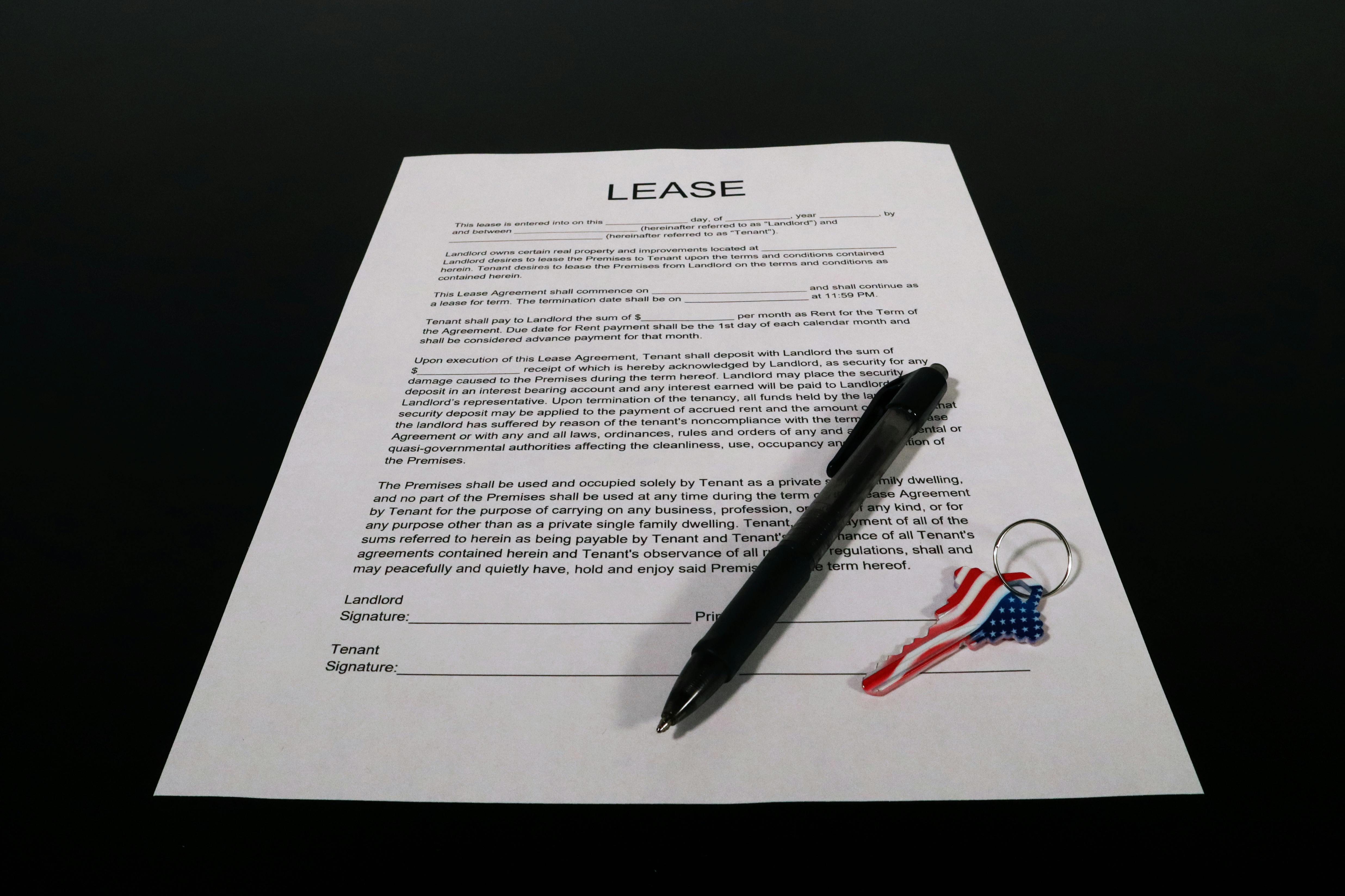
The cumulative effect of management indifference and persistent maintenance failures has fostered an atmosphere of communal frustration, pushing occupants to actively search for pathways to terminate their long-term contractual obligations prematurely. The financial penalty associated with early lease termination is a well-understood deterrent, yet the reported deterioration in the quality of life at the complex appears to be a sufficient catalyst for residents to explore these punitive financial options. This widespread, collective desire to leave—despite the costs—acts as an undeniable, albeit indirect, referendum on the quality of housing being provided for the significant monthly rents demanded. It demonstrates a fundamental breach of the implied covenant of habitability and quiet enjoyment. When the cost of breaking the contract is perceived as less damaging than the ongoing cost of living in the substandard conditions, the management has, by action, essentially terminated the spirit of the agreement long before the lease end date. As this investigative series continues, the evidence compiles a significant case file detailing operational shortcomings against Ginsburg Development Companies and GDC Property Holdings. The corroboration of issues spanning multiple, critical property systems suggests the fault lies not with isolated tenant oversight but with the overarching management structure. The willingness of residents to speak out—often facing professional or personal risk—underscores a significant level of communal exasperation. They believe that only external scrutiny will compel the systemic change required to secure a livable, reliably serviced home, which should be the baseline expectation in any purportedly high-end residential setting. Residents seeking to understand their rights in these complex scenarios may find guidance in discussions around lease modification and early exit clauses.
Key Takeaways and Actionable Insights for Community Stability
The dynamic at a property like Admirals Cove—where luxury pricing meets neglectful operations—offers critical lessons for both residents and the industry at large. Accountability is not a slogan; it’s the consistent application of resources to the physical asset and the tenant relationship. Here are the core lessons derived from this analysis, relevant as of today, February 13, 2026:
- Communication Protocol Must Be Proactive, Not Reactive: A management structure is only as strong as its lowest-performing communication channel. If threats of vacancy are the only way to trigger a response to a maintenance issue, the standard operating procedure is fundamentally flawed. Actionable Insight: Document every attempt to communicate via official channels, noting dates, times, and method (email, portal, phone).. Find out more about GDC Property Holdings tenant communication issues definition guide.
- Reputation Management Has Legal Limits: The alleged practice of exchanging lease relief for positive reviews is ethically questionable and potentially in violation of modern consumer protection regulations like those enforced by the FTC. The focus must shift from manufacturing positive reviews to achieving genuine tenant satisfaction.
- Deferred Maintenance Compounds Risk: Small maintenance issues rarely stay small. The history of mold, faulty elevators, and HVAC struggles demonstrates that ignoring small repairs leads inevitably to expensive, dangerous, and service-crippling crises like city-wide water outages.
- The Credibility Gap is Fatal: When a management firm’s official statement directly contradicts the documented, recent lived experiences of its high-paying residents (like the January 2026 water outage), the entire basis of the management contract is undermined.
For residents currently facing systemic neglect, the path forward often involves organization and documented escalation. Never assume your complaint is recorded until you have a timestamped confirmation. The time for passive hoping is over; the time for documented, strategic engagement—often involving local housing and health agencies—is now. The battle for a livable home often requires treating the tenant-landlord relationship as the serious contractual obligation it is. For those interested in the ethics of reputation in this sector, a deeper look into the regulatory environment is warranted, specifically concerning real estate reputation management ethics. The standard for what constitutes a “very well-maintained property” is ultimately set not by the management’s press release, but by the resident’s access to heat, water, and a responsive ear.